Eat for Your Brain

Healthy eating and maintaining a healthy weight support brain and heart health throughout life.

Eat for Your Brain
Click the tabs above to switch between sections

How Does Diet Affect Brain Health?

Eating a healthy, balanced diet helps provide the essential nutrients your brain needs to stay healthy. It can also lower your risk of developing health conditions such as obesity, type 2 diabetes, high blood pressure, and high cholesterol.

What Can We Do To Reduce This Risk?

Small, sustainable steps add up:

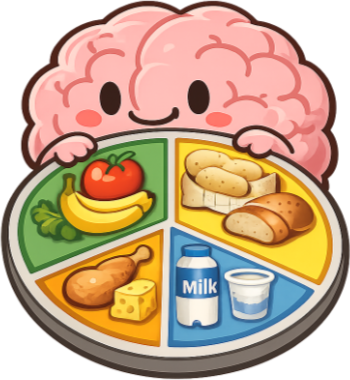
Follow the NHS Eatwell Guide which shows the proportion of foods we should eat from each food group, to achieve a balanced and varied diet.

You can also view the Diet and Brain Health guide from Alzheimer's Research UK with tips to maintain a healthy diet which can help reduce your risk of dementia.

  • Eat at least 5 portions of a variety of fruit and vegetables every day
  • Base meals on higher fibre starchy foods like potatoes, bread, whole wheat pasta or rice
  • Have some dairy or dairy alternatives (such as soya drinks)
  • Eat some beans, pulses, fish, eggs, meat and other protein
  • If you like fish, then aim for 2 portions a week, 1 of which should be oily like salmon, mackerel or sardines
  • Choose unsaturated oils and spreads such as vegetable, rapeseed, olive and sunflower oils, and eat in small amounts
  • Drink 6 to 8 cups or glasses of fluid a day
  • Try to eat foods which are high in fat, salt and sugar less often and in small amounts
Healthy eating for brain health

What Support Is Available in Derby and Derbyshire?

Information for Professionals

  • Talk to patients about the importance of a healthy, balanced diet at relevant moments.
  • Signpost to Eatwell Guide resources, adapting them to reflect cultural preferences and financial circumstances, including awareness of food insecurity, and linking with Healthy Start for those eligible.
  • Integrate with NHS Health Check follow up; refer eligible people to the National Diabetes Prevention Programme (NDPP) and local weight management offers.
  • For people already living with dementia, avoid overly restrictive diets; prioritise enjoyment, adequate energy/protein, hydration and individualised support (if swallowing is a problem, seek advice from your GP).
  • Visit the British Nutrition Foundation's Diet and Dementia page for more information.
  • Find out more by visiting: Derbyshire Joint Strategic Needs Assessment - Food and Nutrition

How Does Obesity Affect Brain Health?

Being overweight—especially in midlife—can increase the risk of dementia. It’s also linked to other risk factors like diabetes and high blood pressure.

What Can We Do To Reduce This Risk?

Even small changes can make a big difference:

  • Eat more fruit, vegetables, and whole grains.
  • Reduce portion sizes and sugary snacks.
  • Stick to suggested serving sizes: use kitchen scales to weigh your ingredients before you cook.
  • Pick lower-fat and lower-sugar options for milk, cheese and yoghurts.
  • Move more—aim for at least 150 minutes of activity per week (e.g. 30 minutes on 5 days).

What Support Is Available in Derby and Derbyshire?

Information for Professionals

  • Encourage BMI checks and to seek advice from a professional.
  • Refer to local weight management services.
  • Encourage healthy eating and physical activity as part of routine care.
  • Encourage access to free resources and recipes online and in libraries.
  • Find out more by visiting: Derbyshire Joint Strategic Needs Assessment - Adult Healthy Weight