Keep Mentally Active
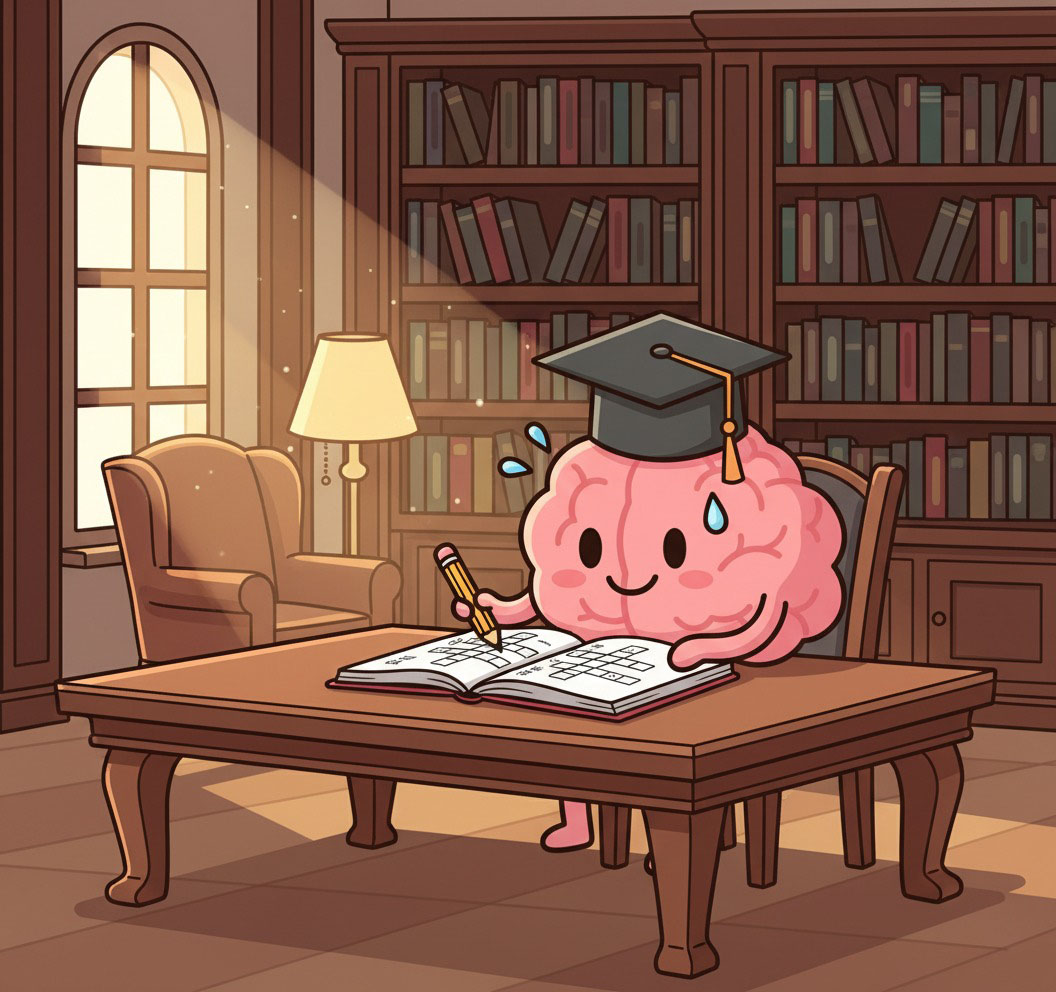
Keep learning and look after your mental health to support your brain
Click the tabs above to switch between sections
How Does Education Affect Brain Health?
People with fewer years of formal education are at higher risk of developing dementia. This may be because education helps build cognitive reserve—the brain’s ability to cope with damage and stay resilient.
What Can We Do To Reduce This Risk?
Even small changes can make a big difference:
- Stay mentally active—read, do puzzles, learn new skills.
- Take part in adult learning or community education.
- Encourage children and young people to stay in school and enjoy learning.
What Support Is Available in Derby and Derbyshire?
Information for Professionals
- Encourage lifelong learning with service users.
- Signpost to local adult education and community learning hubs.
- Promote cognitive stimulation as part of dementia prevention messaging.
How Does Depression Affect Brain Health?
Long-term depression may increase the risk of dementia and make it harder to stay socially and mentally active. It can shrink areas involved in memory and decision-making and disrupt brain chemicals that regulate mood and thinking.
What Can We Do To Reduce This Risk?
Even small changes can make a big difference:
- Talk to someone—don’t struggle alone.
- Speak to your GP if you feel low, anxious, or hopeless.
- Try mindfulness, talking therapies, or peer support.
What Support Is Available in Derby and Derbyshire?
Information for Professionals
- Refer to NHS Talking Therapies or community mental health services.
- Promote social prescribing and community connection.
- Promote local peer support groups and wellbeing hubs.
- Find out more by visiting:Derbyshire Joint Strategic Needs Assessment - Adult Mental Health.