Welcome to the Derby and Derbyshire
Brain Health Toolkit
Looking after your brain is just as important as looking after your body, and this toolkit is here to help.
This online resource brings together trusted information about brain health and how we can all take steps to reduce our risk of dementia. It includes both national guidance and local support available in Derby and Derbyshire.
Created by a partnership of organisations across health, care and community sectors, this toolkit is designed for everyone, whether you're a professional supporting others or someone looking to improve your own brain health.
There are 9 key areas where we can take action — you'll find them all further down this page. They cover everything from staying physically and mentally active to keeping socially connected and looking after our heart health. What's good for your heart is good for your brain too.
An easy read version is also available.
It's never too early or too late to start. While we can't change some risk factors like age or genetics, there are others we may be able to influence. Many healthy habits that support brain health also help prevent other conditions like heart disease, cancer and diabetes.
Only 4 in 10 people in the UK (39%) know it's possible to reduce dementia risk*. We want to change that, starting here in Derby and Derbyshire.
*2025 Dementia Attitudes Monitor, © Alzheimer's Research UK
This toolkit is endorsed by the Derbyshire and Derby City Dementia Together co-production group. It is based on the latest evidence, which is still growing and evolving. The risk factors highlighted are associated with dementia but may not directly cause it. The benefits of healthy changes are clear and worth acting on.
Many people don't realise that dementia isn't an inevitable part of getting older. Research shows that 45% of cases are linked to factors we may be able to influence. Even small steps can make a big difference.
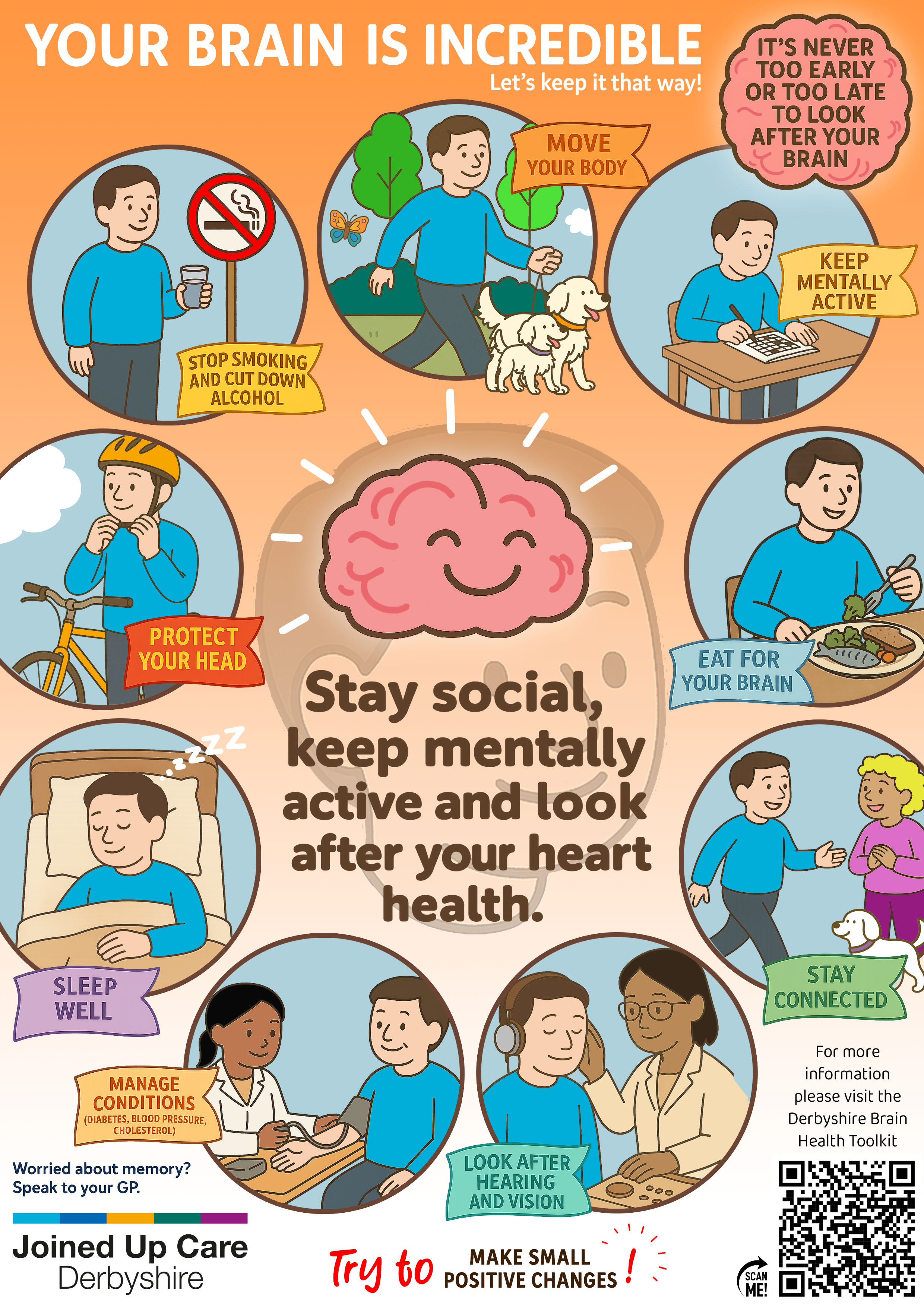
Your Brain is Incredible
It's never too early or too late to look after your brain.
Discover 9 key areas where we can take action, from staying active and connected, to looking after our heart health.
What is a risk factor for dementia?
A dementia risk factor is something that increases the chance of developing the condition. It does not mean someone will develop dementia.
Some risk factors cannot be changed, like age or family history, but others can.
This animation from Alzheimer's Research UK explains more.
Take Action – 9 Ways to Look After Your Brain
Stay social, keep mentally active and look after your heart health. Making even a couple of changes can go a long way to improve your overall health, too.
Easy Read Version
A simplified guide to brain health
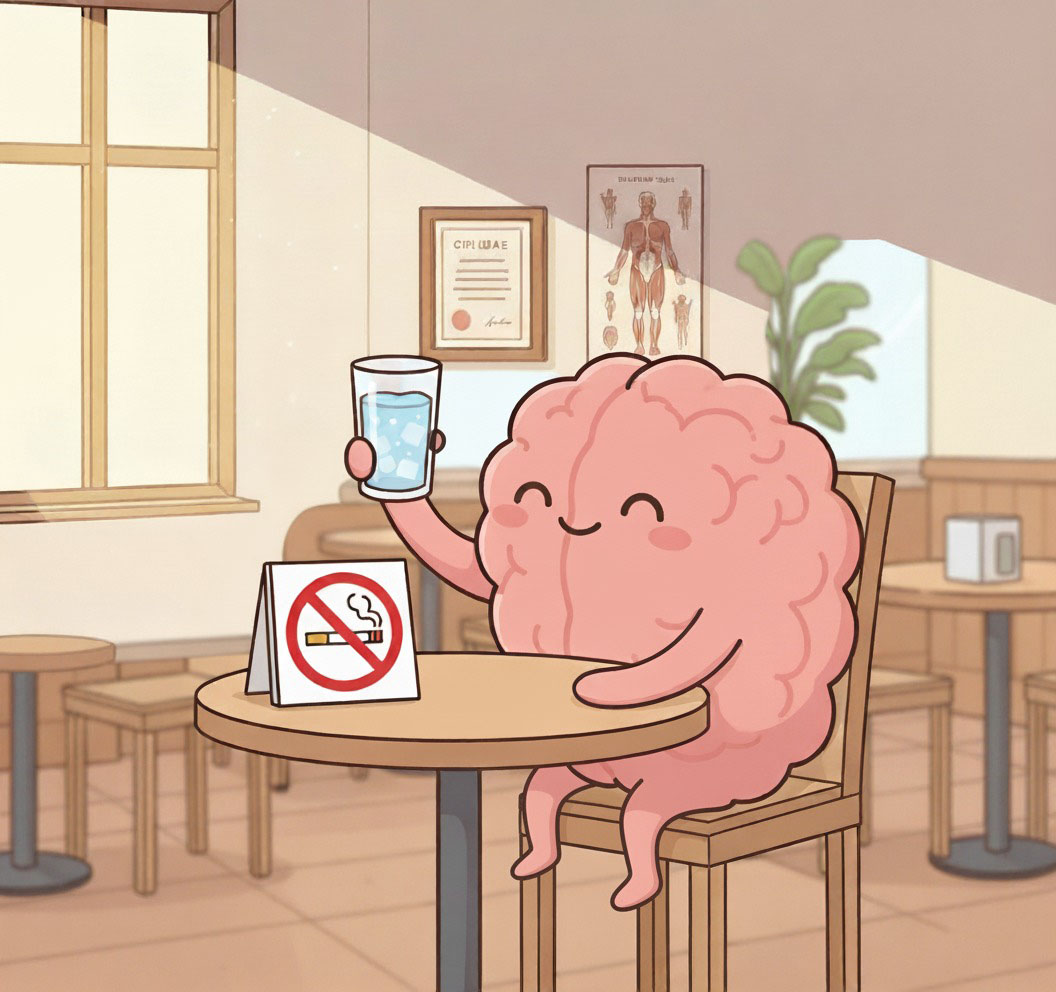
Stop Smoking & Cut Down Alcohol
Protect your brain by stopping smoking and reducing alcohol consumption
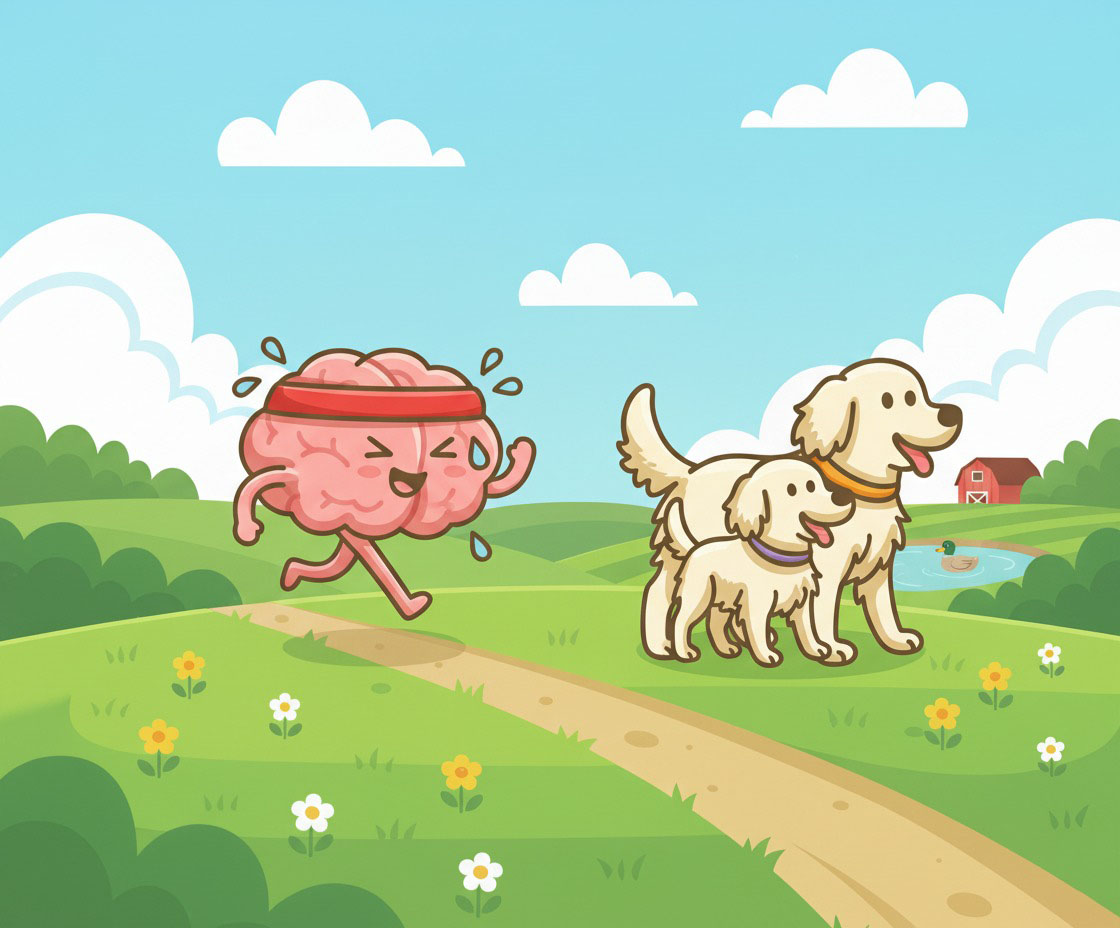
Stay Active
Be active in ways that work for you
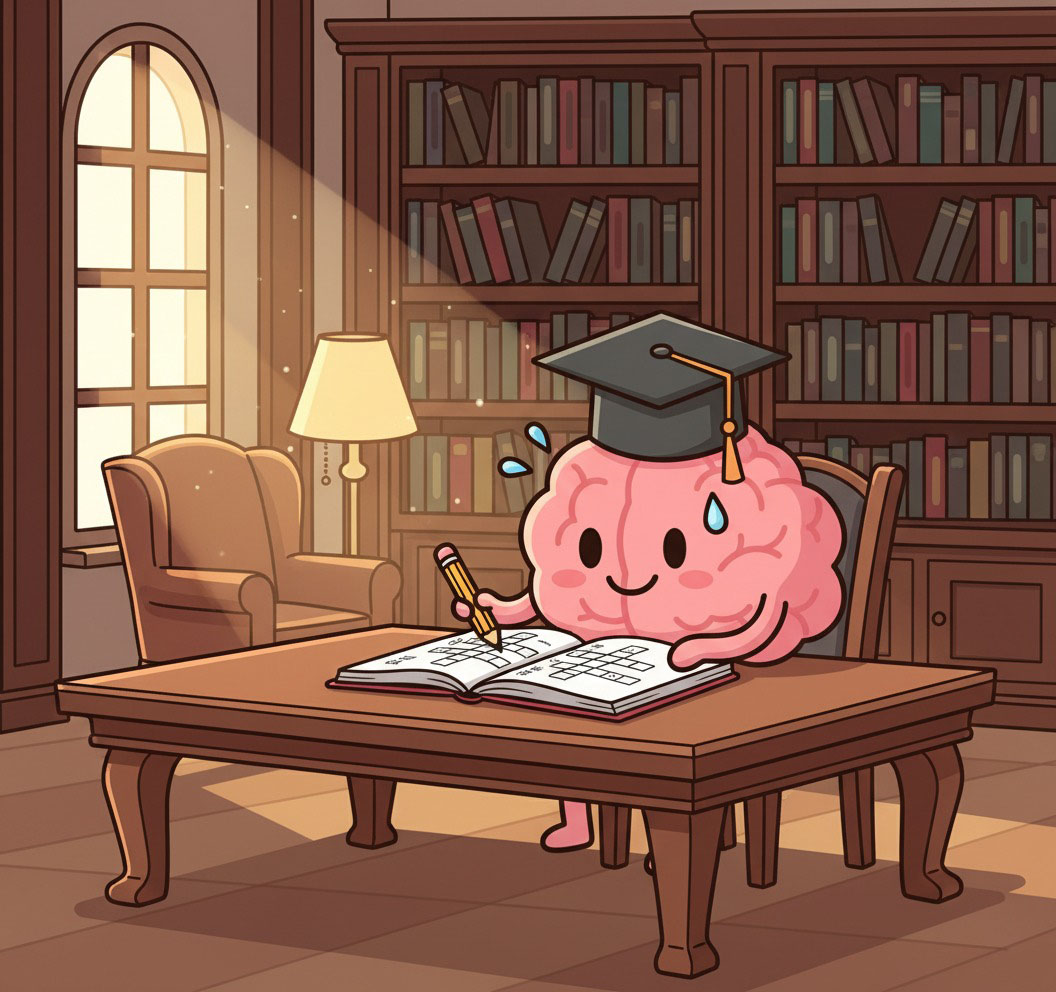
Keep Mentally Active
Keep learning and look after your mental health
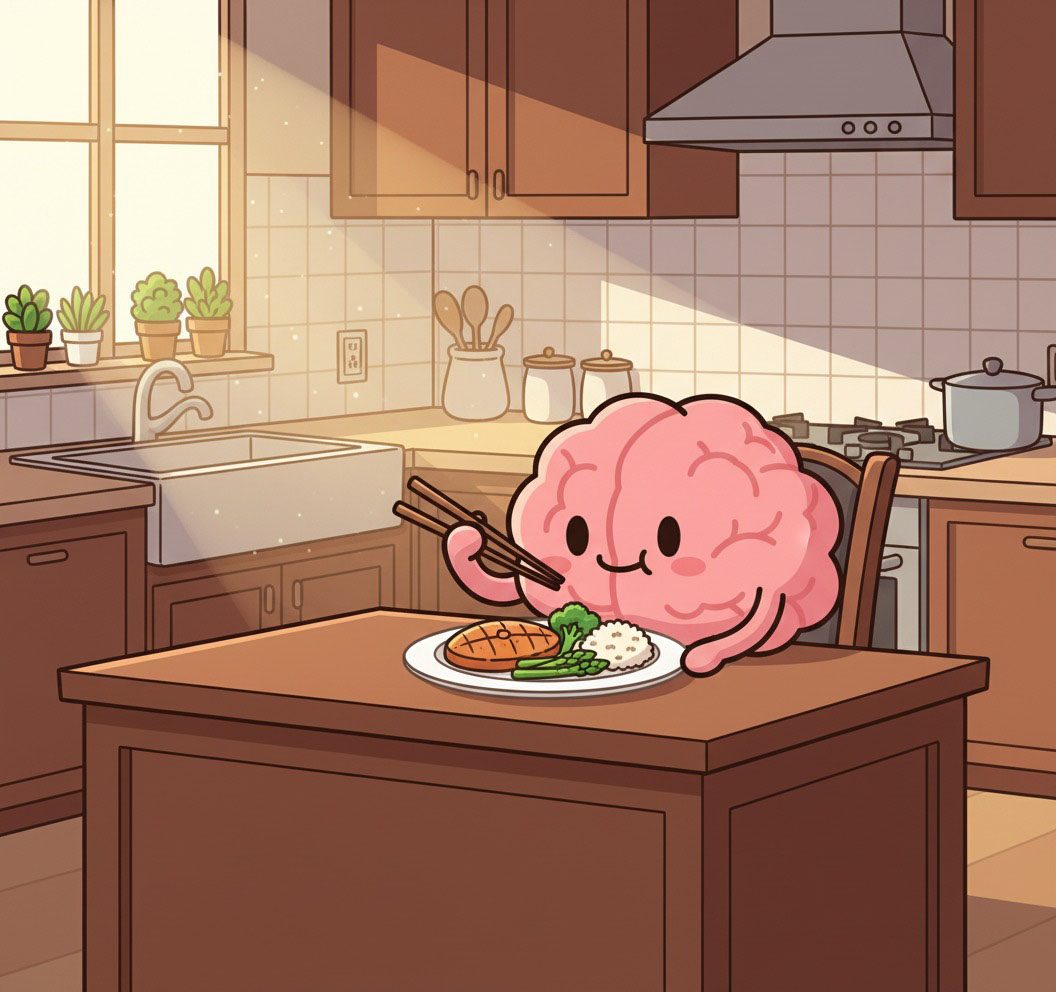
Eat for Your Brain
Eat well and keep a healthy weight
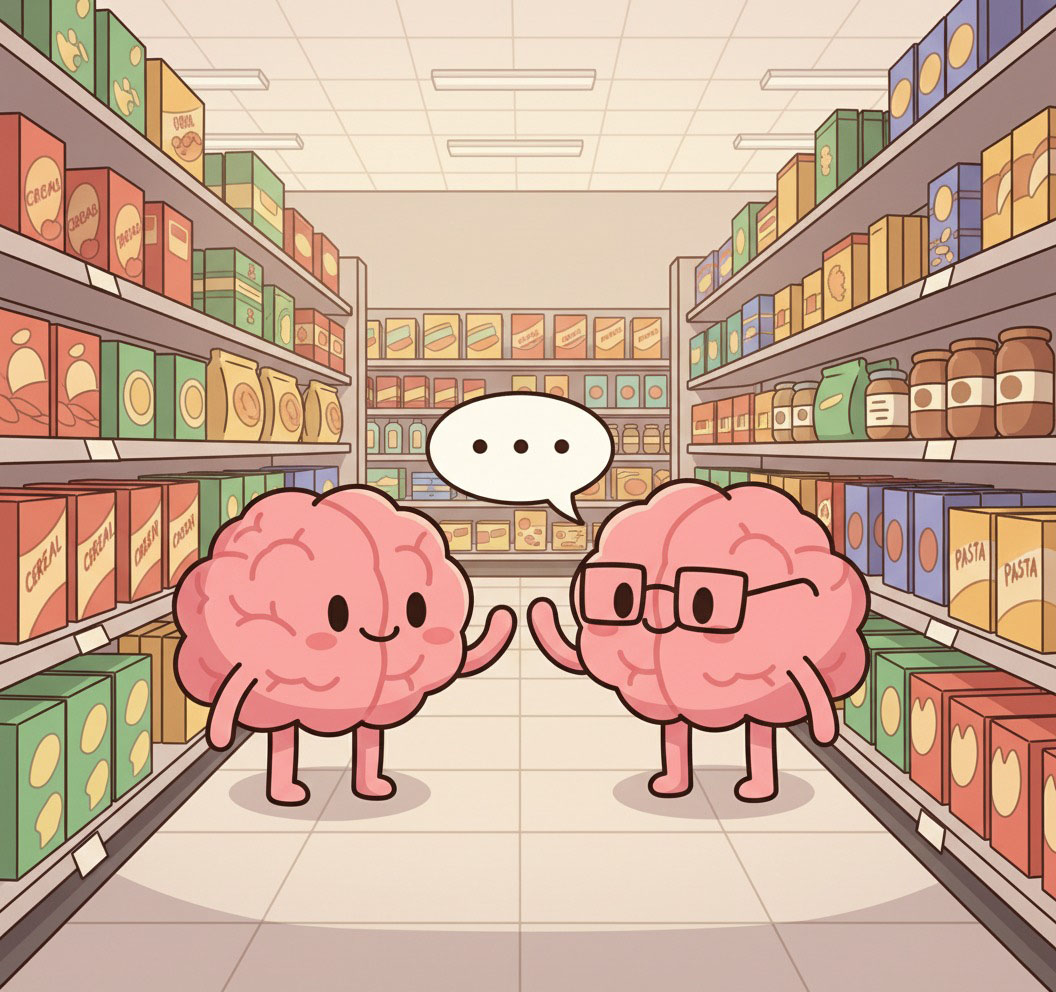
Stay Connected
Catch up with friends and family, or join local groups.
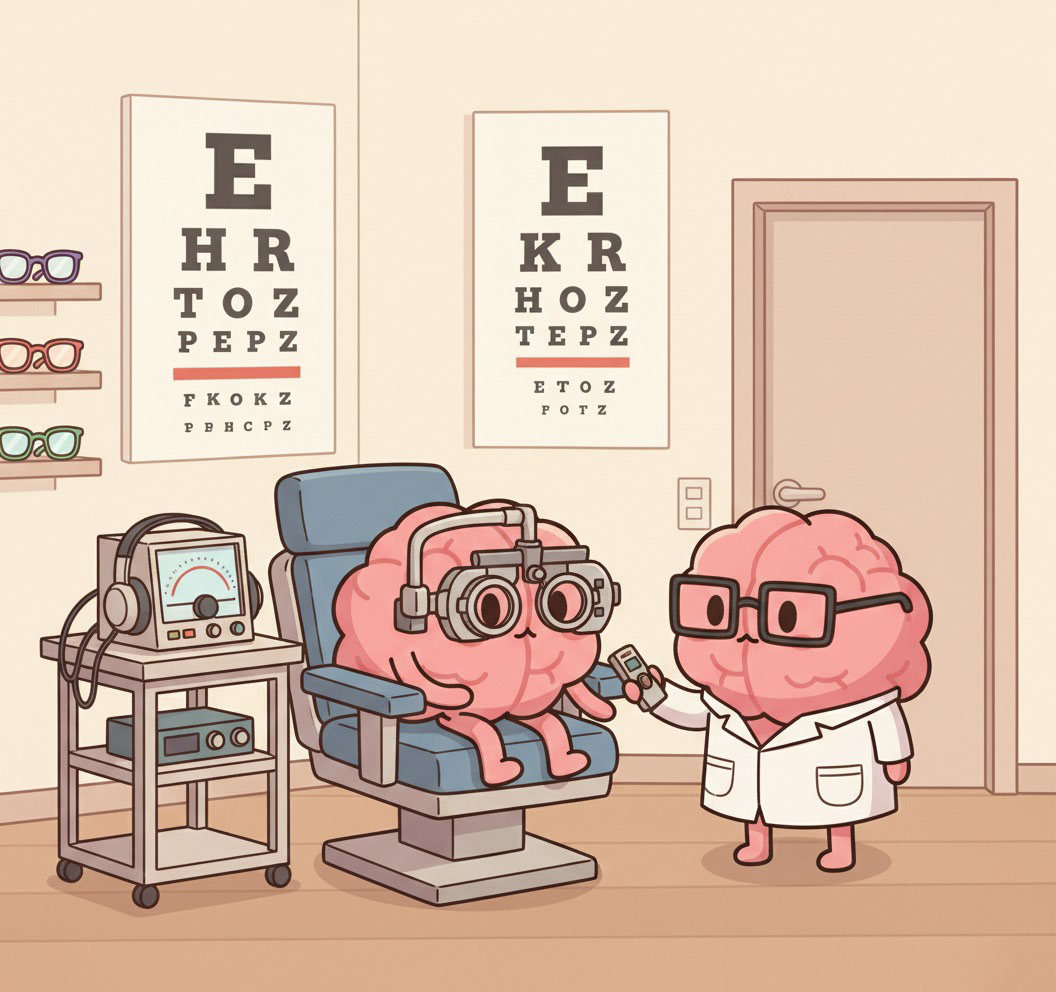
Look After Your Hearing & Vision
Check your hearing and eye health regularly
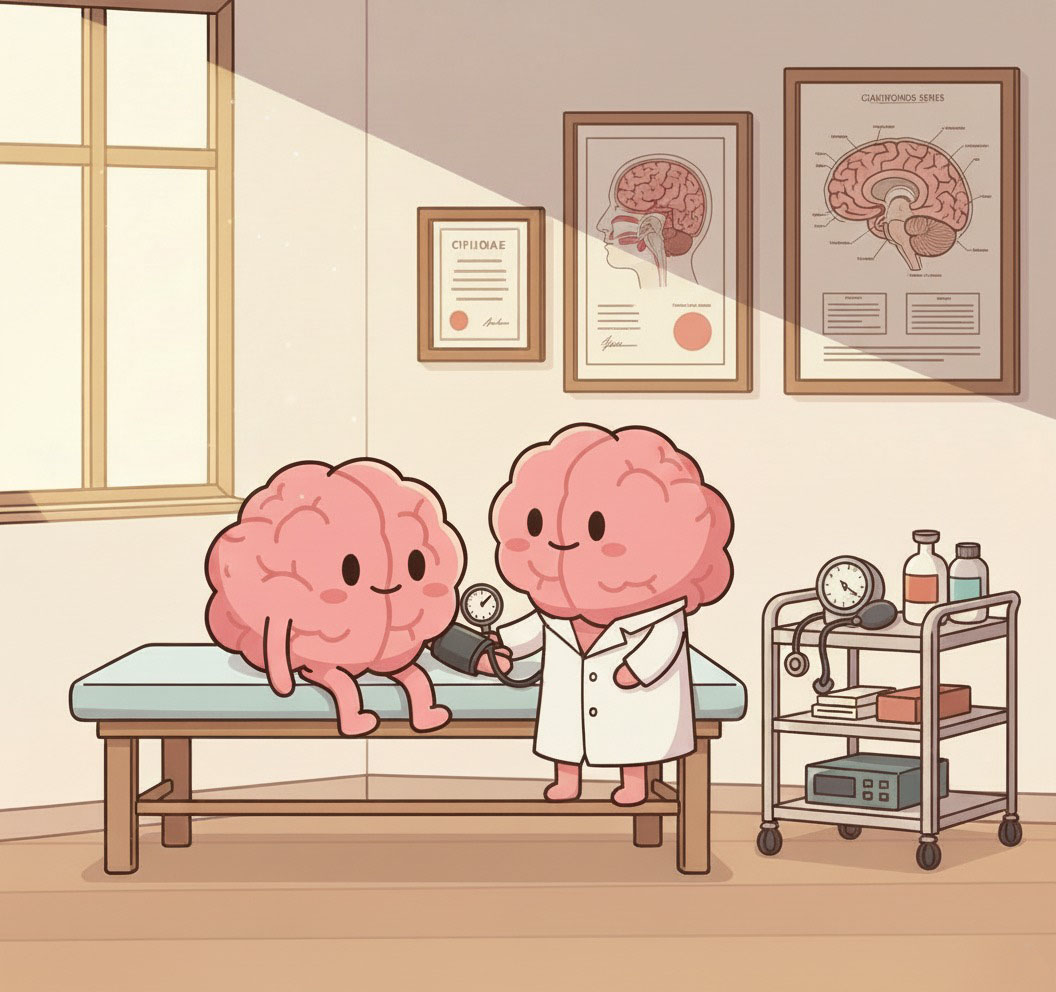
Manage Conditions
Know your numbers and manage long‑term conditions, e.g. high blood pressure or diabetes
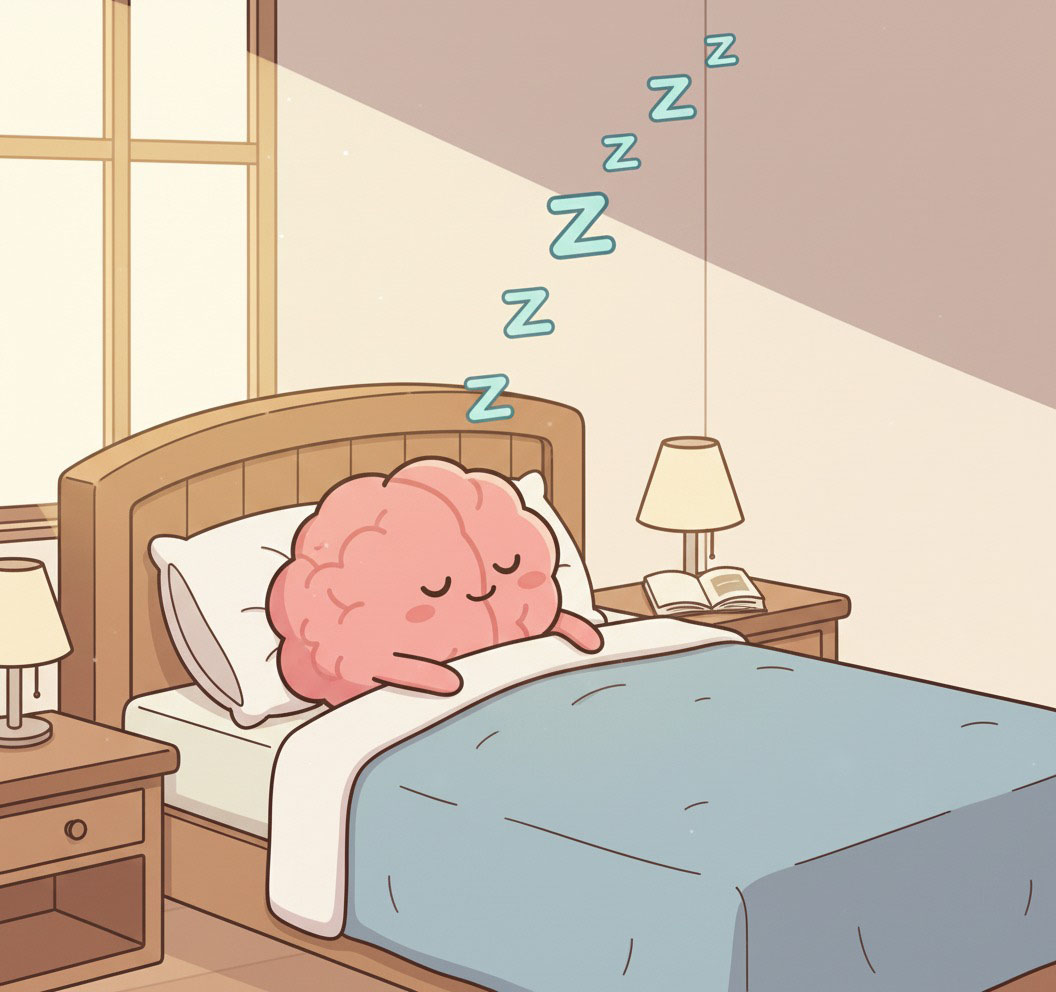
Sleep Well
Prioritise quality sleep and a regular routine
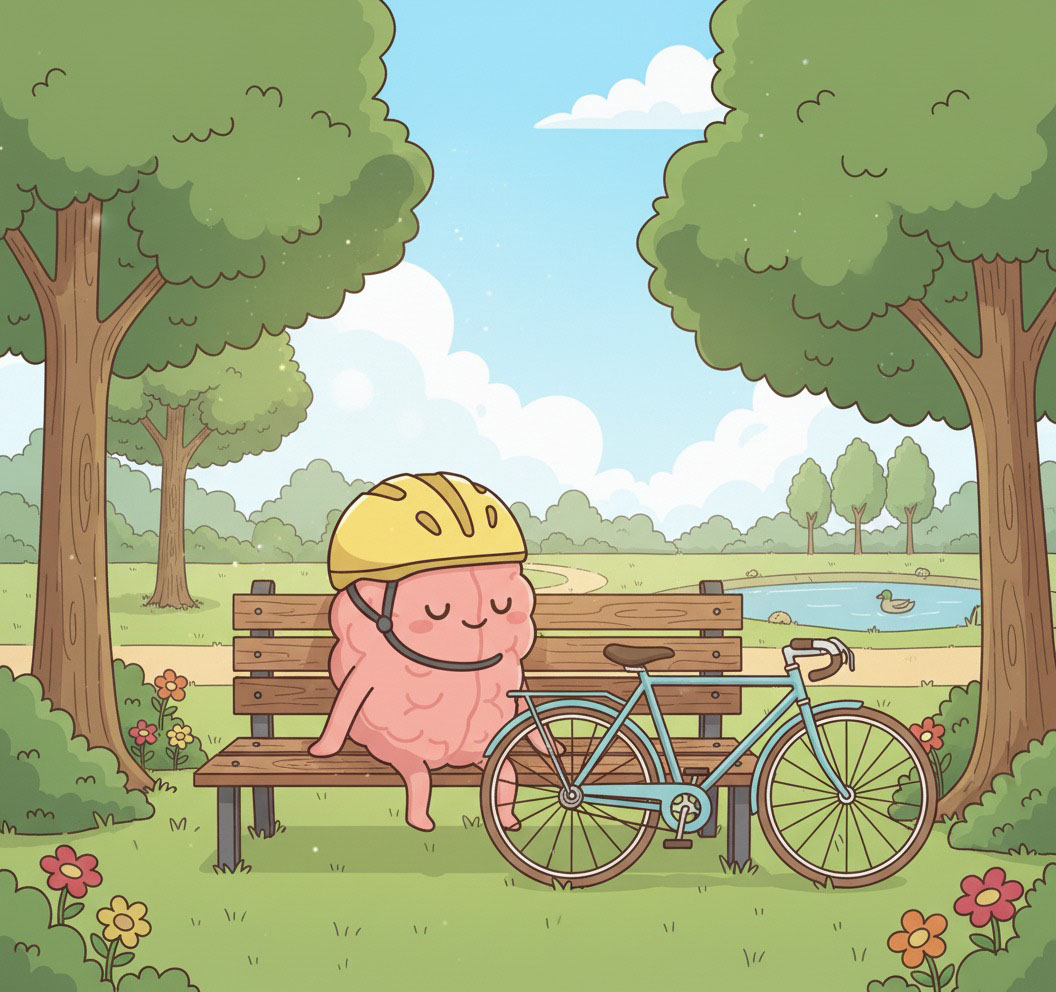
Protect Your Head
Prevent head injuries at home and on the move
Think Brain Health Campaign
Alzheimer's Research UK
Explore your brain-healthy habits and discover how to look after your incredible brain with the Think Brain Health Check-in.
This isn't an assessment or diagnostic test. It's a simple way to explore your brain-healthy habits and discover easy tips to give your brain some love. It takes around 10 minutes, and at the end you'll receive personalised recommendations.
Content reproduced with permission from Alzheimer's Research UK © 2026.
Children & Young People
Visit our additional resources for information on how to help children and young people understand dementia and look after their brain health.
For more information on post diagnosis support
Resources
Additional Resources
Download printable PDFs from Alzheimer's Society and Alzheimer's Research UK
Local Data
Local JSNA Dementia pages
Live Life Better Derbyshire
Free healthy lifestyle and weight management support
Livewell Derby
Healthy weight, nutrition and activity programmes
NHS Health Checks
Free health checks for adults aged 40–74
If You Are Concerned
If you are worried about your brain health, contact your GP. The Derby and Derbyshire Dementia Information, Advice and Support Service can also help.
What are we talking about?
Consensus
Statement
Brain Health
A term referring to keeping our brains in good working order at all stages of life. Brain health is affected by a number of factors including age, genes and a range of lifestyle choices. While some of these factors are within our control, others are not. By considering ways to look after our hearts, stay mentally sharp, and keep connected to people, we can all take steps to keep our brains healthy and reduce our risk of developing dementia later in life.
Content reproduced with permission from Alzheimer's Research UK © 2024.
Dementia
An umbrella term that describes the symptoms that occur when the brain is affected by certain diseases or conditions. Symptoms may include memory loss, difficulties with changes in behaviour, thinking, problem-solving or language. It is characterised by a decline in cognitive function that interferes with daily life activities.
Dementia Risk Reduction
Dementia risk reduction refers to actions and lifestyle choices aimed at lowering the likelihood of developing dementia. The goal is to protect brain health and reduce risk factors that contribute to cognitive decline over time.